
Jordan Legacy Line Easy Returns
Top Jordan Kicks for Basketball Performance on the Court
In the realm of basketball performance shoes, Jordan Brand exists at a unique crossroads between legacy and cutting-edge tech. The company forged its legacy on Michael Jordan’s six title victories, and in 2026 it keeps going to outfit NBA stars while supporting countless numbers of recreational players who demand genuine on-court performance. But here’s the challenge: with over 40 mainline silhouettes and numerous of variations, identifying which Jordans really perform well on the court takes thorough investigation. Not every Jordan is made for basketball in 2026 — heritage models from the ’80s and ’90s lack up-to-date cushioning, while latest signature lines provide top-tier shock absorption and stability that match anything out there. This review evaluates the finest Jordan sneakers for on-court use in 2026, grading each across cushioning, court grip, stability, heaviness, and court feel.
What Makes a Elite Basketball Sneaker in 2026
The modern game of basketball calls for all-direction agility — sprints, lateral shuffles, hard deceleration, explosive leaps — and cushioning needs to absorb impact without compromising responsiveness. Outsole grip is perhaps the most critical quality, because a shoe that slips on dirty courts is truly dangerous, increasing the chance of ankle sprains and knee injuries. Support involves external structures like lateral outriggers and heel cups plus the shoe’s capacity to secure your foot during hard crossovers. Weight has grown critical as the game gets faster, with top-level guards choosing shoes under 14 ounces while bigs accept up to 16 for additional ankle support. Breathability prevents excessive warmth that degrades traction and comfort during long sessions. The optimal basketball shoe harmonizes all five check it out features without severely sacrificing any particular one.
Air Jordan 38: The Premier Performance Shoe
The Air Jordan 38 is the zenith of Jordan Brand’s performance engineering, blending Formula 23 foam with a heel-to-toe Zoom Air Strobel that produces an exceptionally bouncy experience. At 13.8 ounces in a men’s size 10, it blends light speed with padding that shields your joints during explosive action. The woven Jacquard upper supported with Flywire cables keeps the foot down during defensive slides while keeping airy for full-game matchups. Grip is superb — the herringbone outsole bites both clean and dusty courts with certainty, and the outsole rubber endures a complete amateur season of 3-4 games per week. The midfoot plate delivers midfoot stiffness during crossover dribbles and lateral slides. At $200 retail, it stacks up with the LeBron 22 and provides what countless reviewers consider the greatest Jordan on-court experience since the Jordan 28.
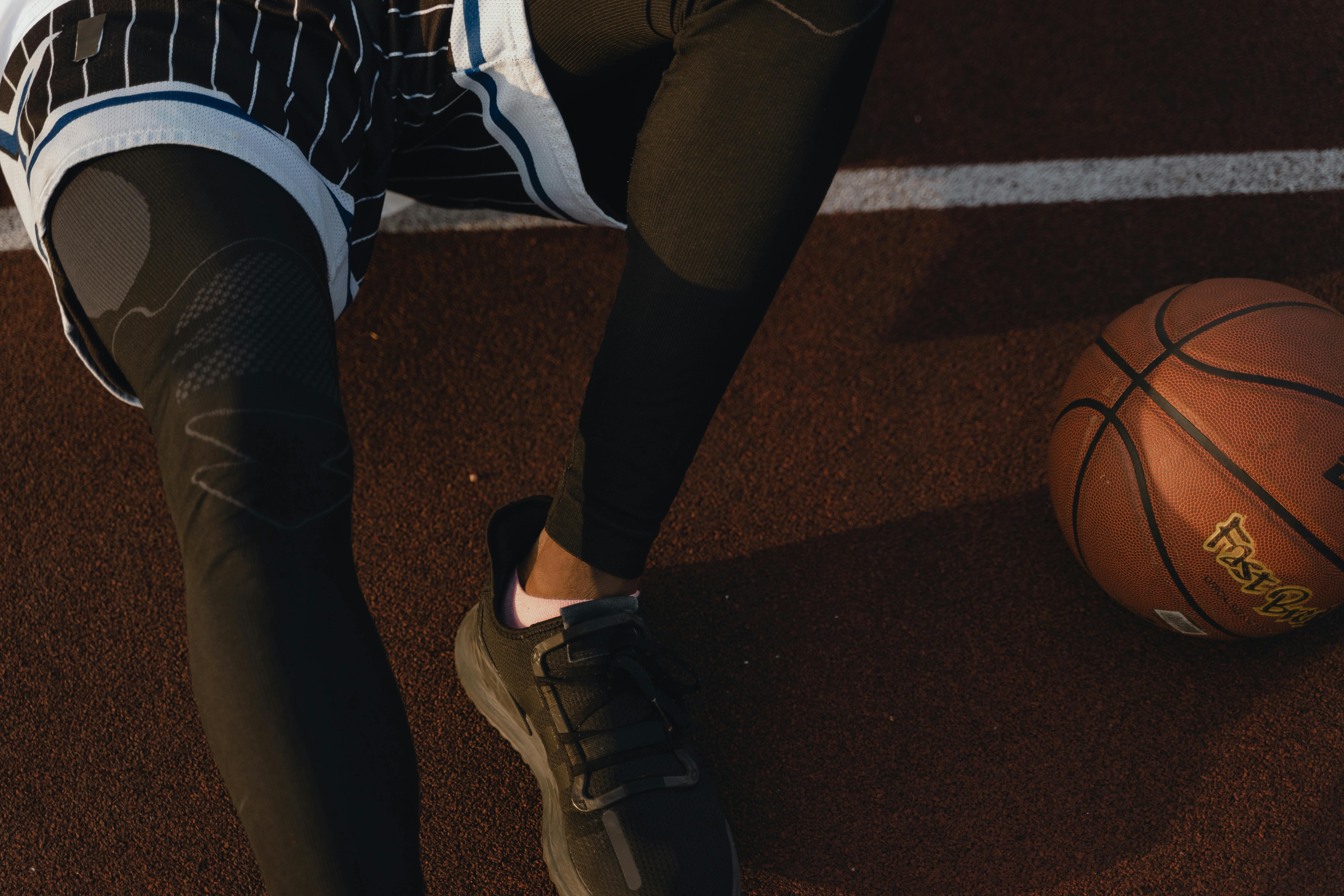
Jordan Tatum 3: Greatest Affordable Court Shoe
Jayson Tatum’s third signature has risen as the consensus greatest-value basketball shoe of 2026, offering elite on-court capability at $130. The React foam midsole with front-foot Zoom Air delivers sustained comfort while offering spring for explosive initial bursts and layups. At 12.9 ounces, it’s one of the least heavy basketball shoes on the market, ideally suited for guards and wing players valuing quickness. The technical mesh upper adapts to the foot after minimal break-in, and the inner heel structure secures the ankle without restricting range of motion. Grip uses wide-spaced herringbone grooves that sweep dust away, keeping traction on dusty courts. Numerous NBA athletes beyond Tatum have been seen wearing it in games — the definitive endorsement of court-ready credibility.
Air Jordan 37: The Well-Rounded Court Shoe
Although officially previous-generation, the AJ37 stays commonly for sale at marked-down prices and still measures up with latest models. The Lenoweave upper is at the same time lightweight, ventilated, and stable — a textile advance shaping Jordan’s whole court shoe range. Double-stacked Zoom Air in forefoot and heel offers court feel surprisingly close to ground-level while delivering genuine cushioning. At 14.1 ounces, it’s somewhat weightier than the Tatum 3 but makes up for it with enhanced ankle stability from its extended collar and Flywire structure, making it ideal for power forwards and centers. The outsole traction is among the most aggressive in the catalog, with pronounced grooves that grip even during explosive side-to-side movements. At launch $185, it now goes for $120–$140 — perhaps the best performance-per-dollar in Jordan’s lineup.
Jordan Luka 3: Made for Crafty Ball Handlers
The Luka 3, designed for Luka Dončić’s craft-based game, caters to ballers who rely on footwork and balance over pure explosiveness. The full-length Zoom Strobel rests immediately below the foot, creating a low-profile sensation that improves equilibrium during pull-up jumpers and Euro-steps. The expansive platform and enlarged outrigger give lateral support among the strongest in Jordan’s catalog, which makes it suited for bigger players or those with ankle instability. Outsole traction uses a circular pattern facilitating pivot moves and rotations central to Dončić’s game, though traction drops slightly on heavily dusty courts. At $140 with extended sizing up to 18, it’s attainable to large-footed players who have difficulty locating performance shoes in their size. If you prefer precision over raw speed, the Luka 3 excels at what it was built to do.
| Model | Price | Weight (Size 10) | Cushioning | Best Position | Rating |
|---|---|---|---|---|---|
| Air Jordan 38 | $200 | 13.8 oz | Formula 23 + Zoom Air | Any position | 9.5/10 |
| Jordan Tatum 3 | $130 | 12.9 oz | React + Zoom Air | Guards and wing players | 9.0/10 |
| Air Jordan 37 | $120–$140 | 14.1 oz | Dual Zoom Air | Every position | 8.5/10 |
| Jordan Luka 3 | $140 | 14.3 oz | Zoom Strobel | Guards / Playmakers | 8.5/10 |
Retro Jordans on the Court: What Actually Holds Up
Playing basketball in retros is enticing, but performance limitations make most retro releases inadequate choices for serious hooping in 2026. Heritage shoes use ’80s and ’90s cushioning — enclosed Nike Air that offers rudimentary impact protection but lacks the energy return and responsiveness of modern Zoom Air and React foam. The Air Jordan 11 Retro is the one significant exception numerous players continue to find viable on court, because of its carbon fiber spring plate and full-length Air unit, but even it doesn’t reach 2026 performance shoes. Grip on retros uses older rubber compounds that wear faster and provide less bite, particularly on dusty pickup courts. Retro materials — dense leather, thick padded collars — introduce considerable weight, coming in at 16-18 ounces compared to 13-14 for current performers. Studies in the British Journal of Sports Medicine has demonstrated that external ankle support from high-tops is less protective than ankle strengthening exercises. Reserve your retros for off-court use and invest in dedicated performance models for the court.
Picking the Best Jordan for Your Play Style
To pick the optimal basketball shoe, you must do an honest evaluation of your playing style, position, and court environment. Point guards relying on speed should seek out light sneakers with springy forefoot cushioning — the Tatum 3 dominates here at under 13 ounces with Zoom Air forefoot units. Wings and two-way forwards require well-rounded impact protection for driving and pull-up jumpers — the AJ38 and AJ37 serve this role superbly. Centers should look at the Luka 3, which provides outstanding balance during post battles without sacrificing cushioning. Indoor players can choose softer outsole rubber for hardwood bite, while street ballers need tougher, more long-lasting rubber. Past injuries should influence your choice — weak ankles call for wider base platforms, knee concerns demand maximum cushioning. Visit a store to try them on if you can, testing basketball movements like defensive slides and jump stops to evaluate on-court feel.
Maintaining Your Basketball Jordans
Basketball sneakers get worn hard, and proper upkeep can boost their functional life by weeks to months. Brush the outsole after every run with a hard-bristled brush and warm water to unclog grip channels — filled grooves are the main reason sneakers stop gripping. Give your pair to dry out fully between wears, which takes 12-24 hours, because trapped dampness degrades foam and promotes bacteria that cause odor. Cycle between a minimum of two pairs if you compete more than two sessions per week, as this gives midsole foam fully recover between sessions. Retire court Jordans after roughly 75-100 hours of court time — foam degrades invisibly long before soles display wear. Keep at room temperature away from heat sources that speed up midsole deterioration. These habits aren’t just about longevity — they’re about injury prevention, because depleted midsole cushioning contributes to bone stress injuries, heel pain, and rolled ankles.
For the complete Jordan court shoe range, visit the Jordan Brand basketball collection on Nike.com.